

Reframing
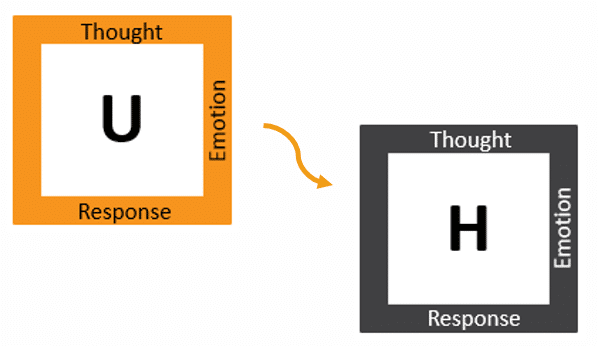
Once we recognise that a particular mental frame or perspective is unhelpful, we can choose to challenge it, and replace it with one that is more aligned with our goals, values, and wellbeing. This process is known as reframing.
In theory, reframing is simple: shift the way you interpret a situation to create a more empowering or constructive outlook. In practice, however, it can be much harder, especially when emotions are high or the situation feels personal. Before we explore how to reframe effectively, it’s important to clarify what reframing is not.
It is not about ignoring real problems, suppressing emotion, or pretending everything is fine.
Toxic Positivity
Reframing is often confused with toxic positivity, which is the tendency to apply a falsely optimistic lens to situations that deserve honesty, reflection, or empathy. Reframing doesn’t mean denying reality. It means choosing a lens that helps you respond more constructively, even in difficult circumstances.
In contrast, toxic positivity is the belief that no matter how difficult a situation is, people should maintain a positive mindset at all times. While optimism and positive thinking can support mental wellbeing, toxic positivity goes a step too far. It rejects or minimises real emotional experiences in favour of a falsely cheerful façade.
It’s important to understand that having a positive outlook is healthy and helpful but life isn’t always positive. Negative emotions such as sadness, frustration, disappointment, or grief are a natural and necessary part of life. Although these emotions can be uncomfortable, they need to be felt, processed, and expressed openly and honestly to support acceptance, resilience, and long-term psychological health.
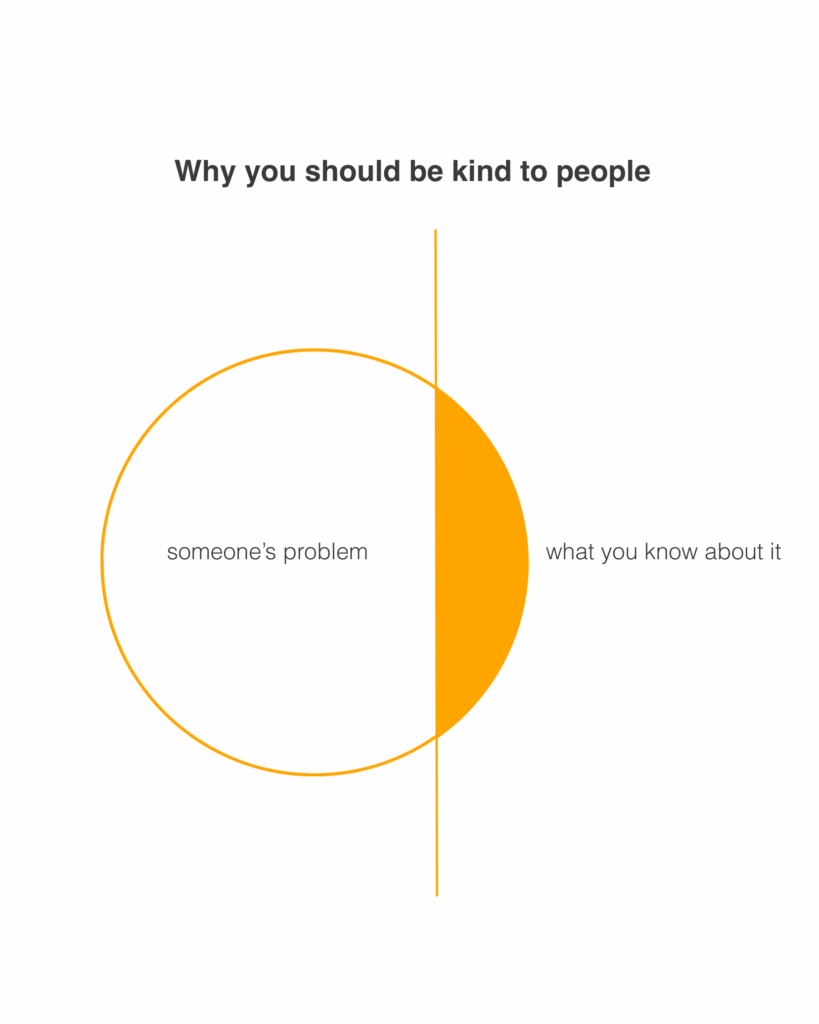
As depicted in the image to the left, it’s a valuable reminder that when someone shares a challenge with you, you rarely have the full story. Responding from a place of empathy, instead of forced positivity, is often far more supportive and effective.
So, what does Toxic Positivity look like?
Toxic positivity can show up in subtle ways. In our own self-talk or in how we respond to others. It often stems from discomfort with difficult emotions or a desire to bypass them quickly. Here are some common examples:

Even when your advice is technically correct or well-intentioned, offering it too soon, especially in the height of someone’s emotions, can feel dismissive. It often short-circuits the person’s ability to fully process what they’re feeling, and ironically, it can prevent them from moving through the discomfort.
To be clear, this isn’t about indulging in negativity or hosting a pity party. It’s about meeting someone where they are, with empathy and presence. Sometimes, something as simple as “That sounds really hard for you” can be far more powerful than advice. Or when describing your own experience, you might say, “I’m having a hard time at the moment, but I know I’ll get through it.” These responses acknowledge the emotion without getting stuck in it.
As humans, our instinct is often to jump into solution mode, to fix, reassure, or reframe. But that’s not always what’s needed, and it’s not always helpful. We explore this more in the coaching module, where we unpack the value of holding space rather than rushing to solve.
Great leaders have mastered the skill of being comfortable with discomfort.
Leadership Application
In leadership, the aim is not to eliminate negative emotions but to learn how to use them strategically.
While it’s common to encourage a positive reframe during times of hardship, it’s important to understand that people must first feel seen and validated in their emotional experience. Without that acknowledgment, attempts to reframe can feel dismissive, shutting down reflection and stalling growth.
Negative emotions aren’t the enemy, they’re signals.
When recognised and used constructively, they can become powerful tools for insight, motivation, and change. For example, rather than simply trying to “not be angry” out of fear of appearing difficult or negative, we can explore how the anger might be pointing to a boundary being crossed or a value being overlooked.
With support, that anger can become a source of action, not just agitation. Below is a working example:
Brian feels frustrated because his manager consistently accommodates client demands by adjusting project timelines without communicating the changes to him. Rather than telling Brian to “be a team player” or “just get on with it,” a more effective response would be to acknowledge his frustration to support him to think about what it’s telling him. This reflection may encourage him to take actions to help his leader better understand why he is frustrated, offering insight into how the lack of communication affects his workflow and proposing a more collaborative way to manage client changes in the future.
In the Rising Leaders program, we continue to explore how negative emotions can be used to overcome obstacles and build momentum. Suppressing or dismissing difficult feelings rarely leads to meaningful problem-solving. Instead, learning to understand and work with these emotions is part of becoming a more resilient and effective leader.
Reframing – The mental effort that pays off
Remember the military tank analogy from the last topic? Our thinking brain (like a military tank) is energy-intensive for the speed and volume of output.
That’s why reframing can feel hard at first, but this is exactly where the value lies, and the outcomes for your wellbeing, your leadership, and your growth, are more than worth it.
For example, if your frame is “I’m not good enough”, it might bring up fear or insecurity, and that emotional state could lead to people-pleasing, overworking, or shutting down. But if you stop to reframe, perhaps with “I’m growing and learning with every challenge”, you shift the emotional tone to one of curiosity, confidence, or calm. That emotional shift fuels more effective behaviour and more aligned results – which feeds into the automatic adoption of more thoughts/beliefs informed by calm curious confidence rather than fear or insecurity.
When we try to shift our mental frames to something more helpful, we’re not just learning something new, we’re actively challenging something old. A frame that’s likely deeply ingrained. That kind of shift doesn’t happen passively. It requires conscious effort, emotional regulation, and self-reflection.
In other words, it asks your thinking brain to do some heavy lifting. As you’ll recall from the three brain facts, this kind of conscious cognitive effort is not the path of least resistance, so your brain won’t always welcome it. It will nudge you toward the path of least resistance, old thought loops, default reactions, familiar behaviours.
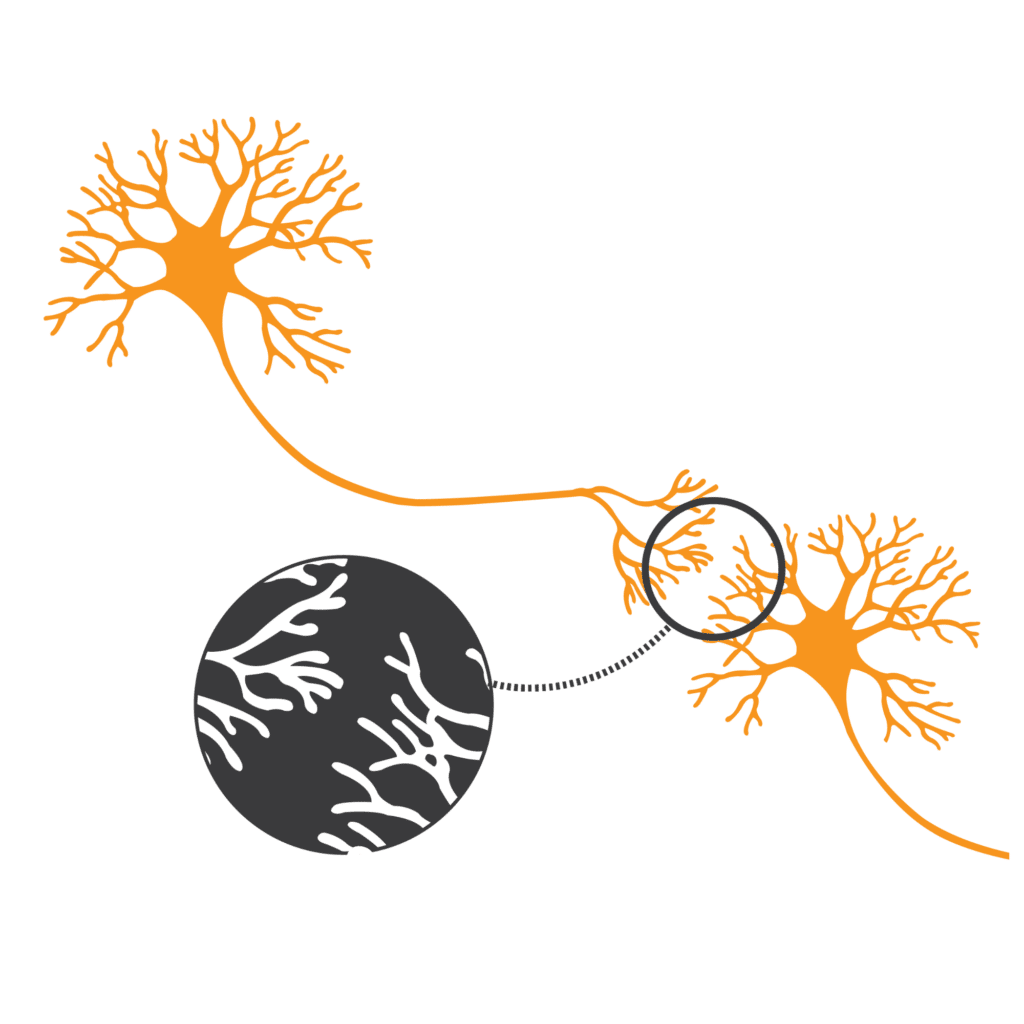
Luckily, your brain comes with an incredible built-in system for change. Neuroplasticity is the brain’s ability to rewire itself by forming new neural connections. Every time you learn, reflect, reframe, or respond differently, your brain adapts. This isn’t just something that happens in childhood, it happens throughout your life. Every time you reframe a thought, you’re creating a new neural connection. The more you repeat it, the stronger and faster that pathway becomes, like upgrading from a dirt track to a freeway.
Over time, the new frame requires less effort and starts to feel more natural. This is how we learn, adapt and grow into the best version of ourselves as leaders – and as people.
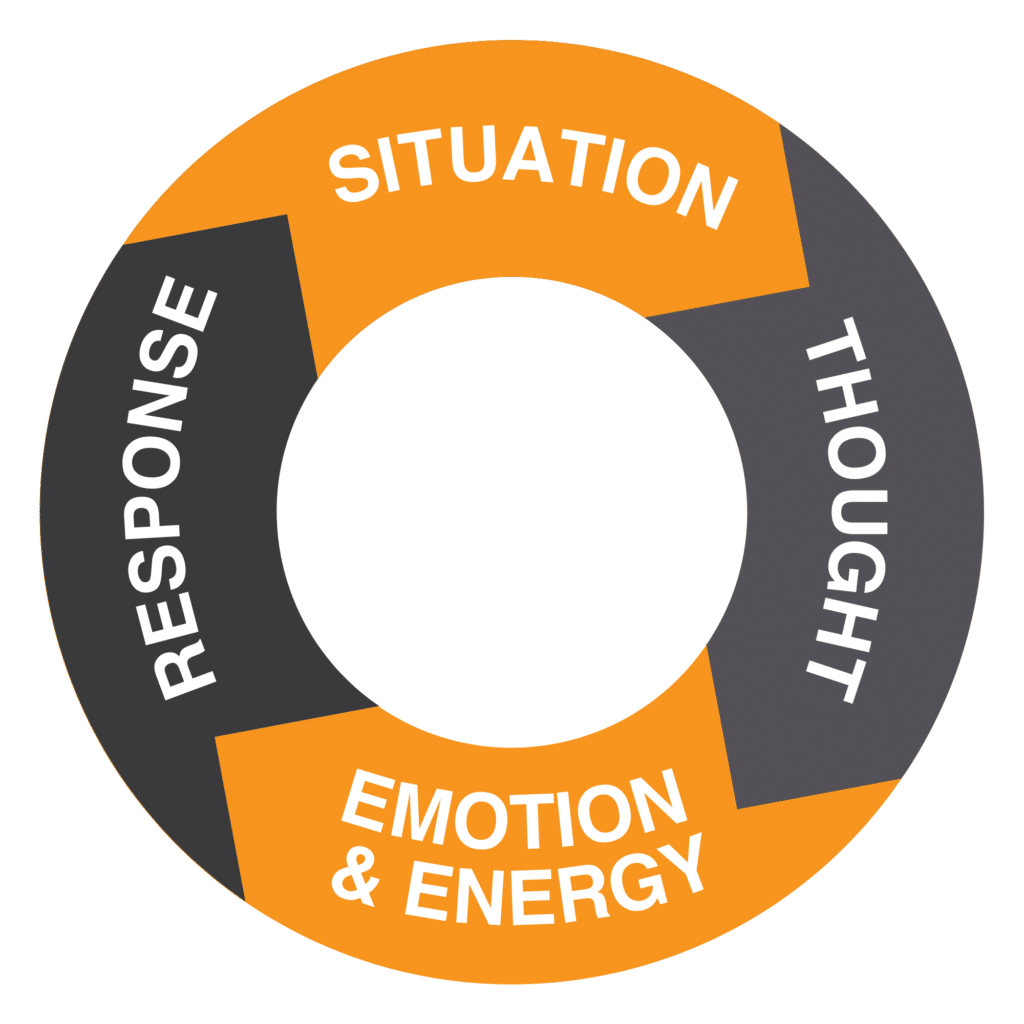
Reframing is how we take the wheel of our STEER model in real-time.
That’s what reframing is. Using the power of your thinking brain to rewrite the narrative and guide yourself toward a more constructive outcome. It’s how you shift from reacting on autopilot to leading with intention.
It’s not about being positive all the time. It’s about being aware enough to choose the most helpful perspective, even when your brain would rather default to the familiar.
That’s how real change begins. One reframed thought at a time.
Frames at Work
Just like our personal frames shape how we engage with others, we also carry frames into the workplace without realising it. These frames influence how we interpret situations, relate to colleagues, and pursue goals.
Let’s say your goal is to be promoted within the next 12 months. If your underlying frames are things like “I have to prove myself,” “I’m not good enough,” or “My promotion is on the line,” the emotions that follow may include fear, pressure, or self-doubt. Left unchecked, these emotions can lead to behaviours that are overly competitive, self-protective, or even at odds with the team’s best interests.
But remember, frames can be challenged and reshaped.
A more constructive frame might be “This is an opportunity to learn and grow,” or “My results speak for themselves,” or “The role will go to the best person—how can I become the best version of myself?”
Just like in the example of a personal reframe, these thoughts invite curiosity, confidence, and optimism, emotions that fuel resilience, collaboration, and high performance. Critically, they align your mindset with both personal growth and collective success, increasing your likelihood of achieving your goal.
Frames don’t just shape how we see the world, they shape how we show up in it. Recognising and reframing unhelpful patterns is a key part of building emotional intelligence and effective leadership.
In Module 9 we will revisit reframing from the lens of supporting others to reframe. This is a powerful leadership tool. However, as with most leadership tools, they all first start with self. So, in this topic, we explore reframing as it applies to self.
Reframing Activity
Take a moment to reflect on a current challenge or difficult situation you’re facing. Hold this challenge in mind as you consider your STEER model, and begin to explore the frames you may be applying to the situation.
Use the reframing activity template below to capture your thoughts, and bring this reflection to your next coaching session for deeper exploration. You can also download, print, or save this template to revisit whenever you notice an unhelpful frame or if you want to help someone else reframe their thinking.
A Final Thought: The Power of Perspective
Meet Millicent Hill, affectionately known as Mama Hill. A retired school teacher with the Los Angeles Unified School District. Over her remarkable 45-year career, she has impacted thousands of young lives through her work as an award-winning educator, poet, and activist.
In this short 2-minute video, Mama Hill shares a powerful insight:
Her attitude, not her life circumstances, is the source of her happiness.
Despite facing challenges many would find overwhelming, she reflects on how choosing her mindset has allowed her to achieve what is described in the video as a perfect happiness score.
What can we learn from Mama Hill about the power of perspective?


Reflective Questions
Please take some time to answer the questions below. The power of self-reflection lies in your willingness to be honest and vulnerable. The more openly you engage, the more insight and growth you’ll unlock.
- Of the toxic positivity examples listed above, which items are you more inclined to engage with?
- Does toxic positivity look different for yourself, versus when you use it with others?
- How might you replace this desire to make someone feel better with compassionate listening?
- What area(s) of your life may benefit from a reframe?
- Which part of the reframing process do you find most challenging?
End of module. We look forward to seeing you at your next coaching call.