

Neurons and Learning
With the STEER model in mind, it might be tempting to think, “Great, so if I just get people to think and feel the right way, we’ll get the outcomes we want!”
But as you’ve probably experienced, change isn’t that simple. The brain needs time and repetition to build new habits. That’s why understanding the basic neuroscience of habit formation can make all the difference.
This is explored in the following 3-minute video:

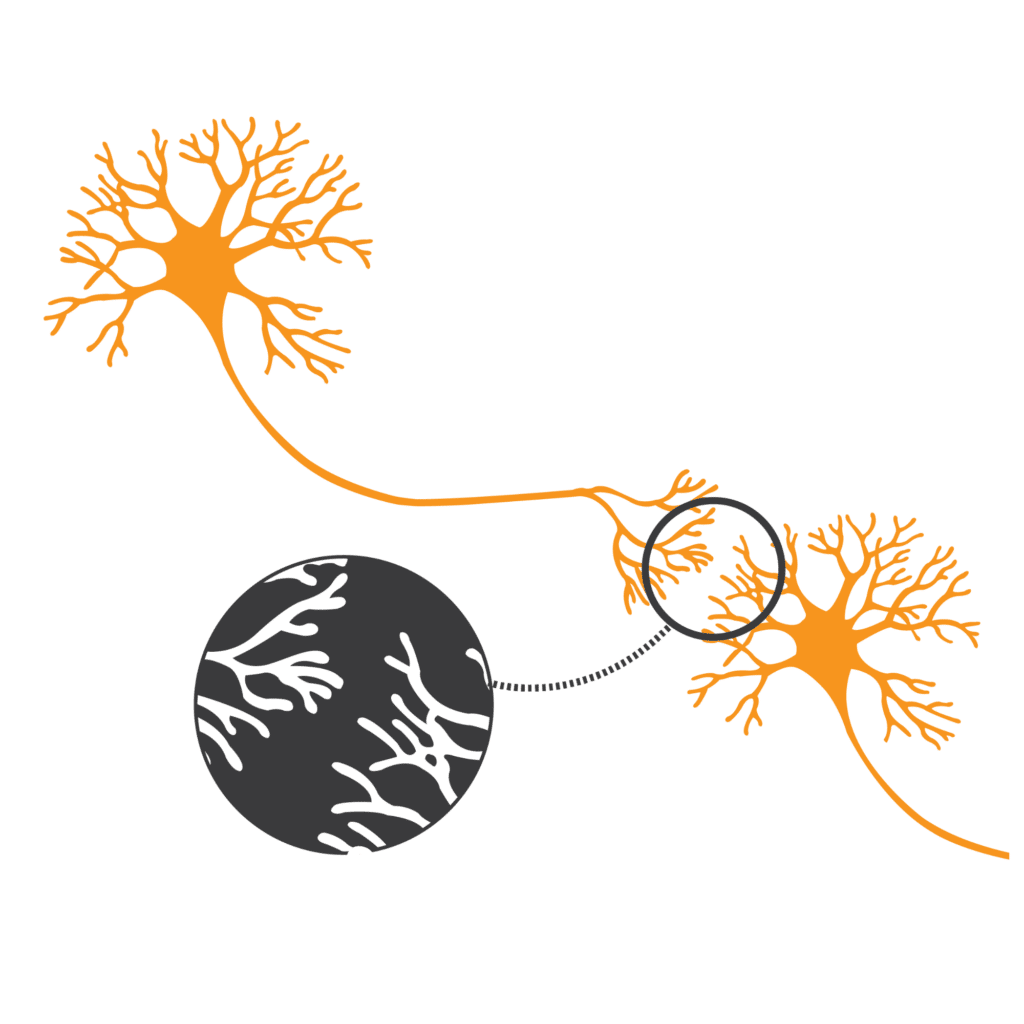
You may recall from the STEER model that our thoughts, emotions, and behaviours form repeating cycles. From a neuroscience perspective, every time we run one of these cycles, the brain strengthens that particular neural pathway—making the belief or behaviour more efficient and automatic over time.
This helps explain why change in theory is much easier than change in practice. Even with motivation, deeply ingrained habits take time and practice to unlearn.
As leaders, it’s easy to feel frustrated when others don’t adapt as quickly as we’d like. But just like learning to ride a bike, meaningful change takes repetition, patience, and support. Understanding how the brain learns and why it relies on habits helps us lead with more patience and intention, which is key in supporting sustainable change.
Think back to the last time you learned a new skill.
What strategies or supports helped you progress from novice, to apprentice, and eventually to mastery?
What experiences were most impactful to your learning?
Brain Friendly Learning Tools
At its core, learning is the engine of change. Whether you’re aiming to improve your own performance or that of your team, growth requires both learning new skills and unlearning old habits. To support effective learning, it’s essential to create conditions that align with how the brain learns best. The following evidence-based principles can help you do just that:
Consider this is a smorgasboard of options. Not all strategies work for all people.
Leadership Application Activity
Think of an upcoming change you’d like to make, or a skill you want to support the development of. Now, using the brain-friendly learning principles, map out how you could support this in a way that aligns with how the brain learns best.
Pro tip: Struggling to think of a workplace example? Try applying this exercise within your family or personal life first—whether with children, a partner, a friend, sibling or parent. It’s a powerful way to build confidence and see how these principles naturally translate into effective workplace leadership.
- Context Setting – How will you clarify the purpose and benefits of this learning to this person/people?
- Active Learning – How will you (or they) stay hands-on and engaged in the process?
- Spaced Repetition – How will you revisit the skill or content over time?
- Multimodal Learning – What mix of visual, audial, verbal, reading/writing and physical strategies will you use?
- Social Interaction – Who else could be involved in learning or supporting this change?
- Variety and Breaks – How will you keep the learning fresh and mentally sustainable?
- Patience & Compassion – How will you manage frustration or resistance with empathy?
- Fun & Humour – How can you bring energy and lightness into the experience?
Take a few minutes to sketch your plan and remember, small intentional shifts can make a big difference.

Reflective Questions
Please take some time to answer the questions below. The power of self-reflection lies in your willingness to be honest and vulnerable. The more openly you engage, the more insight and growth you’ll unlock.
Think about a recent learning initiative you introduced/supported or recall a time when someone in your team struggled to pick up something new.
- What did you do to create an environment that supported this person’s ability to adapt and learn?
- Which brain-friendly learning principles was this approach aligned with?
- Which aspects of your approach could have been adjusted to better align with these learning principles?
Consider where you might incorporate more active engagement, variety, or social interaction to support more effective learning.