

The Thinking Brain
The thinking centre of the brain is like the brain’s latest iOS upgrade (its most recent evolutionary adaption). This part of the brain is responsible for conscious thought and carries our most advanced mental abilities, including logic, reasoning, rationalising, self-regulation (energy, emotion), empathy and creativity. But here’s the challenge, our thinking centre uses a LOT of energy to function and that energy depletes rapidly. Which is why we often feel mentally fatigued after learning something new or complex.
Think of this part of this part of your brain like a military tank. It is a powerful and strategic machine, capable of making calculated decisions, navigating complexity, and staying on course under pressure. But like a tank, it is energy-intensive and uses a LOT of fuel for what appears to be relatively little output.
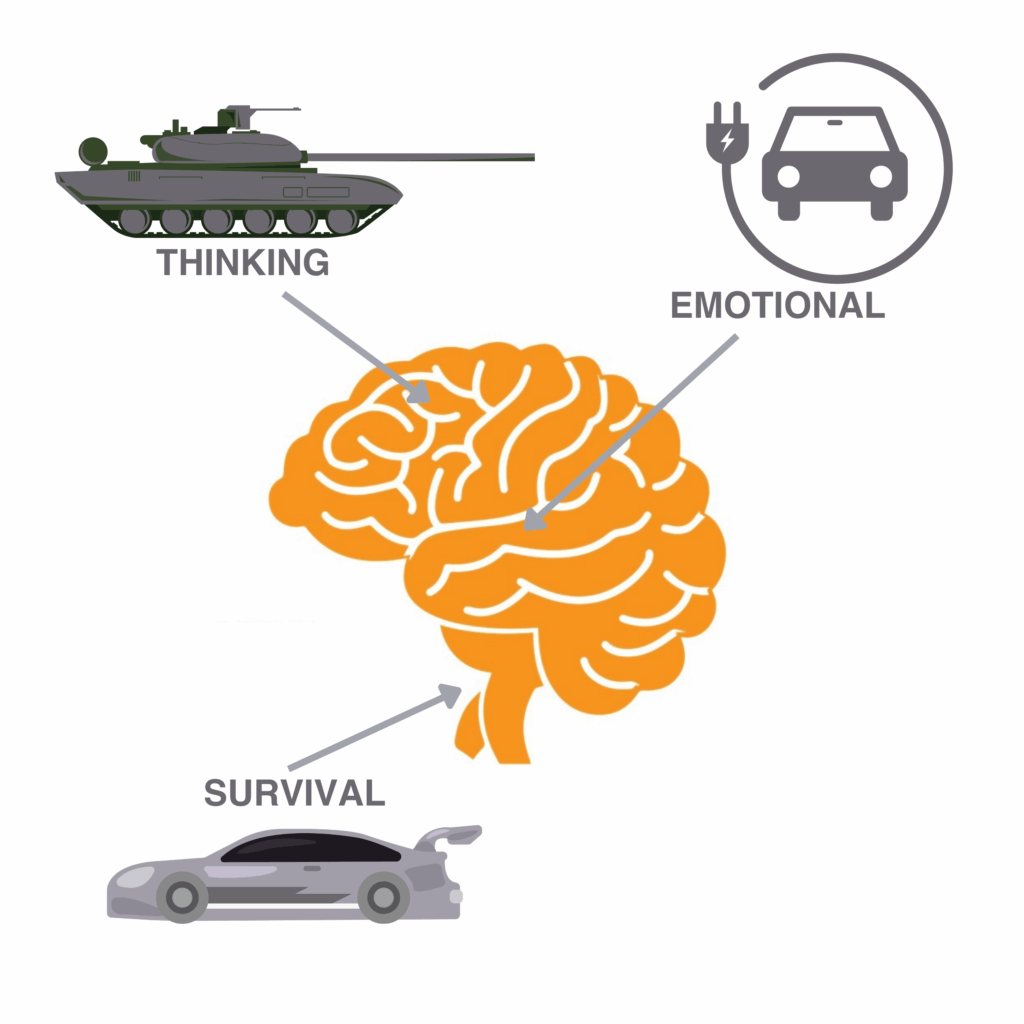
Although it can do incredible things, because of its high energy to output ratio, it has its limitations. One limitation is its restricted memory retention and recall, particularly when stress levels rise. Another is its limited capacity for sustained attention, especially in environments full of distractions.
Let’s begin with memory.
Working Memory – Retention and Recall
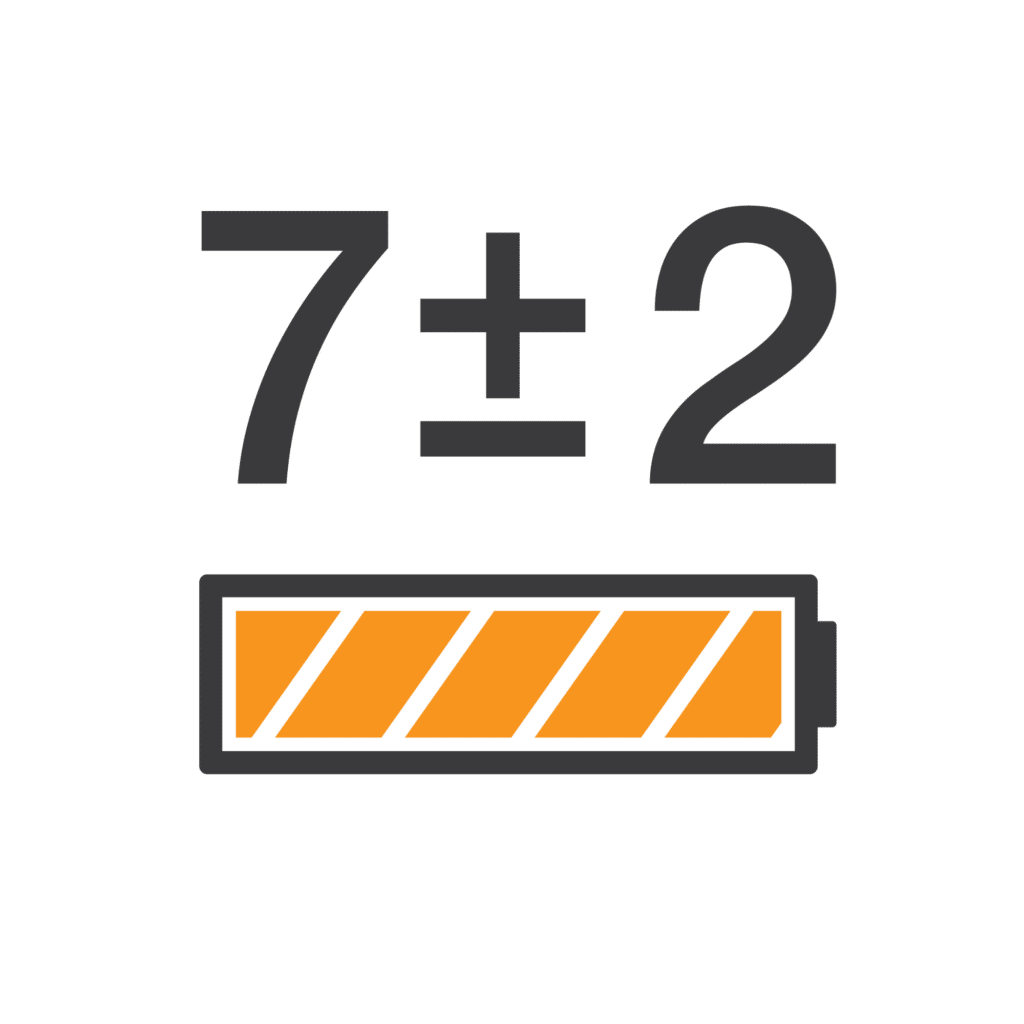
Our brains are flooded with millions of bits of sensory information every second, from sights and sounds to internal thoughts and environmental cues. Yet our working memory (the brain’s mental to-do list) can only hold a limited amount of this information at a time. Even that capacity isn’t consistent. It diminishes throughout the day, much like a draining battery.
The best way to really understand this? Experience it for yourself.
Here’s a short activity to test just how sharp your recall really is. Let’s see how your brain performs under pressure!
The activity will take six minutes to complete; you will need a pen and paper in front of you.
Attention – Is multitasking really possible?
Watch the video to see how your attention holds up!
The activity will take two minutes to complete. You do not need any resources for this activity.

You may have seen this video before. It’s been circulating since 2010. It is a brilliant demonstration of a concept known as inattentional blindness. This term refers to our tendency to miss obvious but unexpected things when our attention is focused elsewhere, even when those things are right in front of us.
In simple terms? We can’t consciously attend to more than one thing at a time. When we think we are, what we are in fact doing is rapidly task-switching or toggling back and forth between these things. This attentional limit is a necessary strategy our brain uses to save energy and be able to manage the vast informational load it encounters.
While inattentional blindness is a clever energy saving strategy, toggling is an executive function of the brain that uses up a lot of energy and drains our seven units very quickly. So, while we’re bombarded by millions of bits of sensory input every second, we can only consciously focus on one thing at a time and our working memory can only hold about seven chunks of information.
This means that multitasking is a myth. Trying to do too much at once reduces memory capacity, and trying to split our attention increases stress and inhibits creativity, while raising the risk of errors.
Think back to the two activities you just completed. How might the increased toggling requirements have impacted your performance?
Application Activity
Think back to a time when you were managing multiple demands and multitasking felt essential. Perhaps you were:
Now reflect on and answer the following questions:
When distractions pile up or we try to multitask, our cognitive resources get stretched thin, leading to mistakes, frustration, and decision fatigue. While it can be tempting to believe we’re immune to these effects, research consistently shows that none of us are. The best way to understand this is to experience it first hand.
Limitations and Leadership
Yes, while these limitations may feel inconvenient, they are an inherent part of being human. So, how do we work with them, rather than against them? By understanding both the limits and the power of this part of the brain, we can start strategically designing more sustainable, brain-friendly environments for ourselves and our teams.
Here is a 4-minute video exploring how we can use this knowledge to optimise our leadership performance.

Brain-Friendly Strategies for Leadership
In leadership, managing our own attention and helping our teams do the same, is essential for sustainable performance, decision-making, and wellbeing. The brain thrives when we create environments and routines that reduce cognitive overload and support focus.
Here are a few practical, brain-friendly strategies to enhance clarity, energy, and effectiveness:

Reflective Questions
Please take some time to answer the questions below. The power of self-reflection lies in your willingness to be honest and vulnerable. The more openly you engage, the more insight and growth you’ll unlock.
- When you are sharing information, how much do you consider our limited working memory?
- What can you do differently to increase chances of information being retained?
- Which of the above six Brain-Friendly Strategies are you doing well?
- Of the six strategies, where are your opportunities for improvement?
- How can you increase the productivity of your team with this brain information in mind?