

STEER helps individuals and teams unlock their full potential, fostering a culture of productivity, innovation, and positive change.
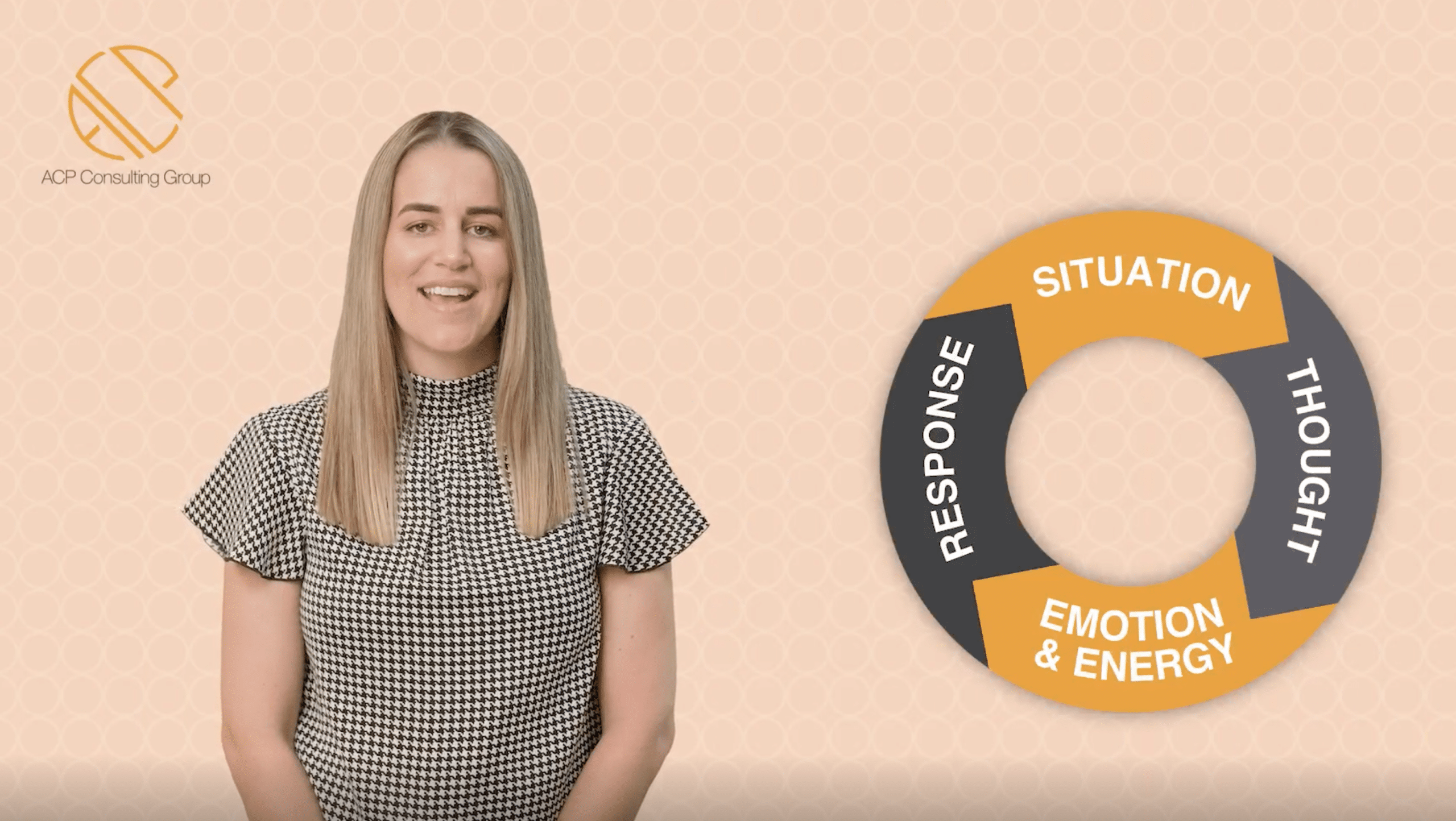
Grounded in the science-backed STEER Model (Situation, Thought, Emotion, Energy, Response), the course supports participants to better understand their own thinking, emotions, and responses—leading to stronger relationships, clearer decision-making, and a more balanced approach to work and life.
Interactive, energising, and thoughtfully designed, this experience equips people at all levels with the tools to thrive in times of change, collaborate more effectively, and contribute to a healthier, more productive workplace.
WHAT’S STEER ALL ABOUT?
This video is a part of our Emotional Intelligence Leader Lab, which supports all ACP Coaching as well as our Online Rising Leaders Program.
“I believe everyone in the organisation should complete this course. It has positively changed the way I interact with my peers and provided me with the tools to better manage change with my clients. This has reduced my stress levels and also allowed me to achieve better outcomes in my projects.”
Project Manager
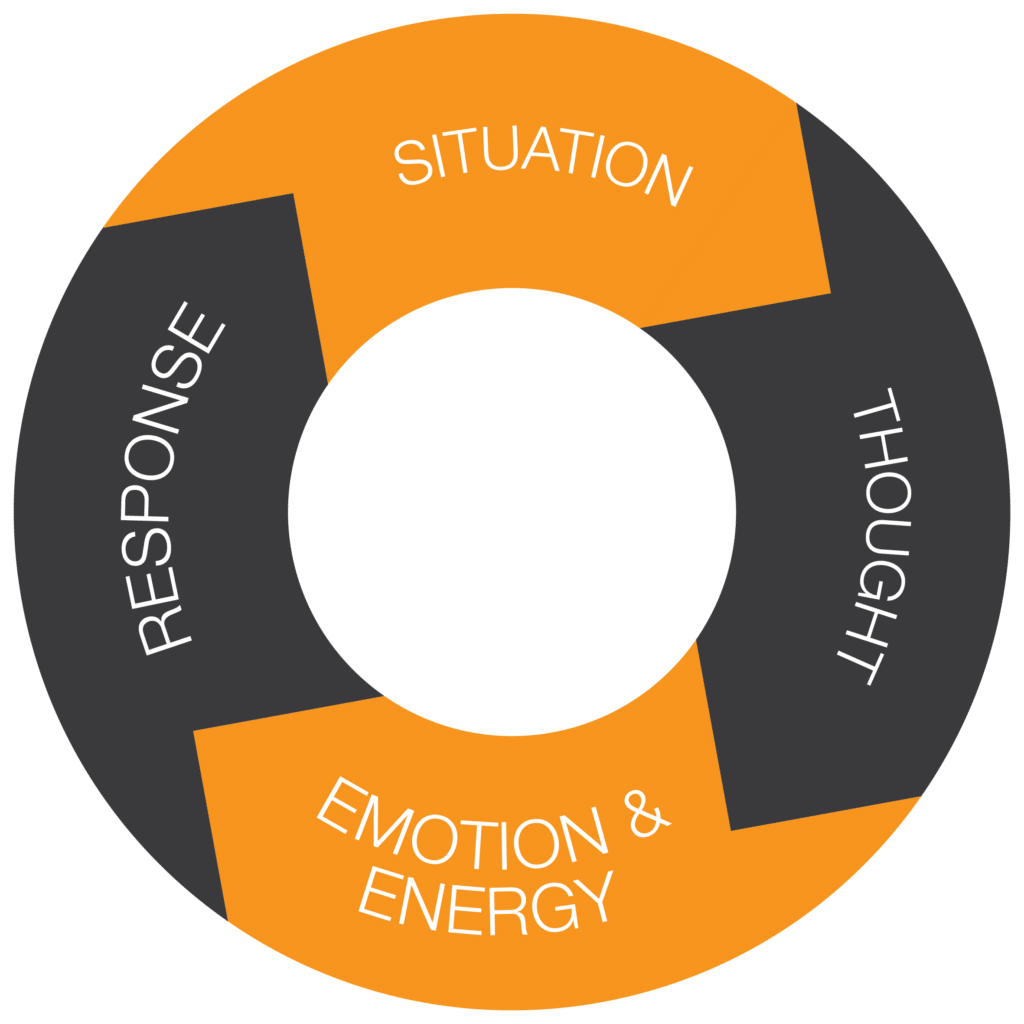
Take aways
How this improves Business outcomes
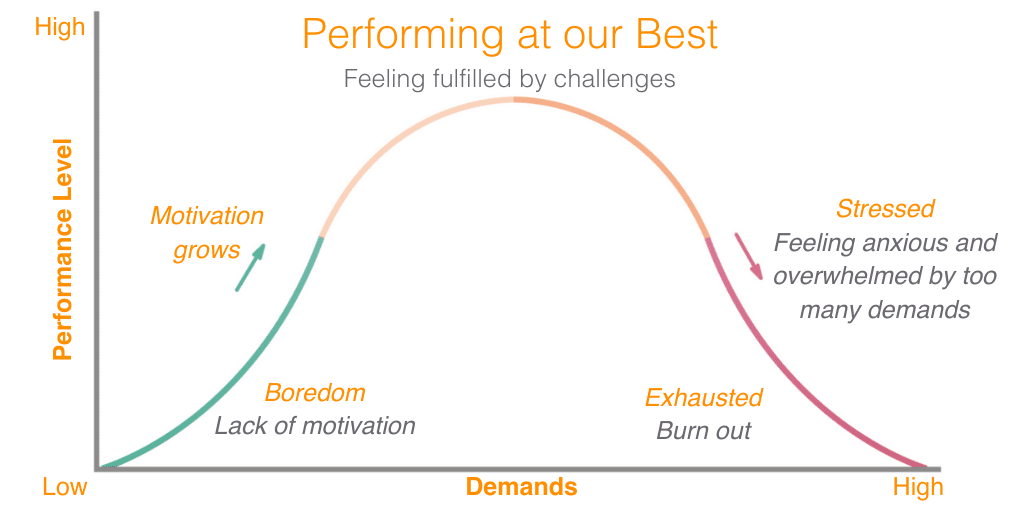
Multitasking is a myth and when people attempt to multitask, they can reduce their short-term memory, increase their anxiety, inhibit creative thinking and increase their chances of making a mistake.
Rosen, L. D., Lim, A. F., Carrier, L. M., & Cheever, N. A. (2011). An empirical examination of the educational impact of text message-induced task switching in the classroom: Educational implications and strategies to enhance learning. Educational Psychology, 31(1), 93–105.
Use the contact form to send us a message and we’ll get back to you as soon as possible.